

In a candid moment of vulnerability shared between two of Hallmark Channel’s most beloved leading men, actor Luke Macfarlane recently opened up to colleague Tyler Hynes about the deep personal toll exacted by Hollywood’s long-standing barriers to authentic representation.

The revelation has sent shockwaves through the entertainment industry and sparked fierce debate among fans and advocates alike.Macfarlane confided that he once required psychological treatment to cope with the crushing rejection and internalized pressure he faced early in his career.
The breaking point came when a Hallmark representative declared point-blank: “Superman can’t be gay.” The statement laid bare an unspoken rule that had quietly limited his opportunities, implying that an openly gay actor could never embody the ultimate symbol of American heroism—or any similarly iconic, mainstream leading role.
What began as a single blunt comment crystallized years of subtle and overt discrimination, forcing Macfarlane to confront how his identity was seen as incompatible with certain dreams.The pain ran deeper than professional setbacks. Macfarlane vividly recalled his grueling years hustling in New York City, where he balanced auditions with backbreaking manual labor.
“During the day I struggled to make a living on the streets, doing carpentry and construction jobs,” he said, his voice heavy with the weight of memory. “All so that at night I could chase my dream.”
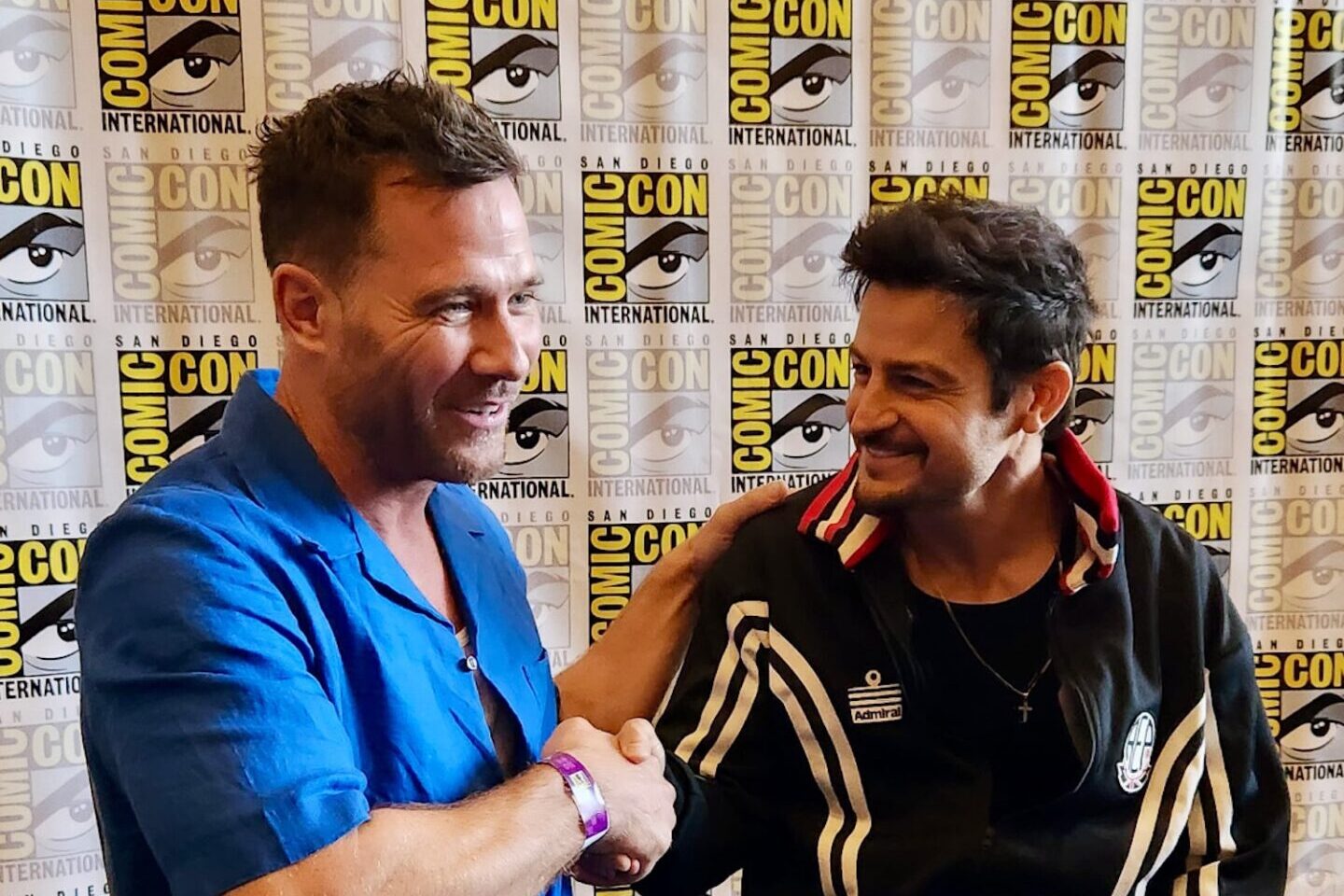
Those survival struggles—hauling lumber, swinging hammers, and scraping by on meager earnings—left lasting scars, haunting him even now as he reflects on the path from obscurity to stardom. The contrast is stark: a man who once built sets with his hands now builds narratives on screen, yet the echoes of those desperate days refuse to fade.
What makes Macfarlane’s story so provocative is its timing. As Hallmark has evolved—welcoming more diverse storytelling, including Macfarlane’s own efforts to develop an LGBTQ+ Christmas movie—these revelations force a reckoning.
Was the network once complicit in enforcing rigid norms that sidelined gay talent? Or was this the broader industry’s bias speaking through its representatives? Critics argue the comment reveals a calculated effort to preserve a “safe,” heteronormative brand, while supporters counter that times have changed dramatically, pointing to Macfarlane’s continued success with the channel.
The emotional rawness of his confession has ignited heated discussions online. Some fans express outrage at the injustice, praising Macfarlane’s resilience in pushing forward despite the odds. Others question whether such experiences still linger behind the polished holiday specials that define Hallmark’s image.
One thing is undeniable: Macfarlane’s willingness to expose these wounds challenges the fairy-tale facade of show business and underscores a persistent truth—progress comes at a cost, often paid in therapy sessions, sleepless nights, and unfulfilled aspirations.
As Macfarlane and Hynes continue to lead Hallmark into what many call a bolder era, this intimate exchange serves as a powerful reminder: even in the realm of feel-good romance, the fight for acceptance has been anything but simple. The question now hanging in the air is whether the industry—and its audiences—are truly ready to confront the full story behind the smiles.