
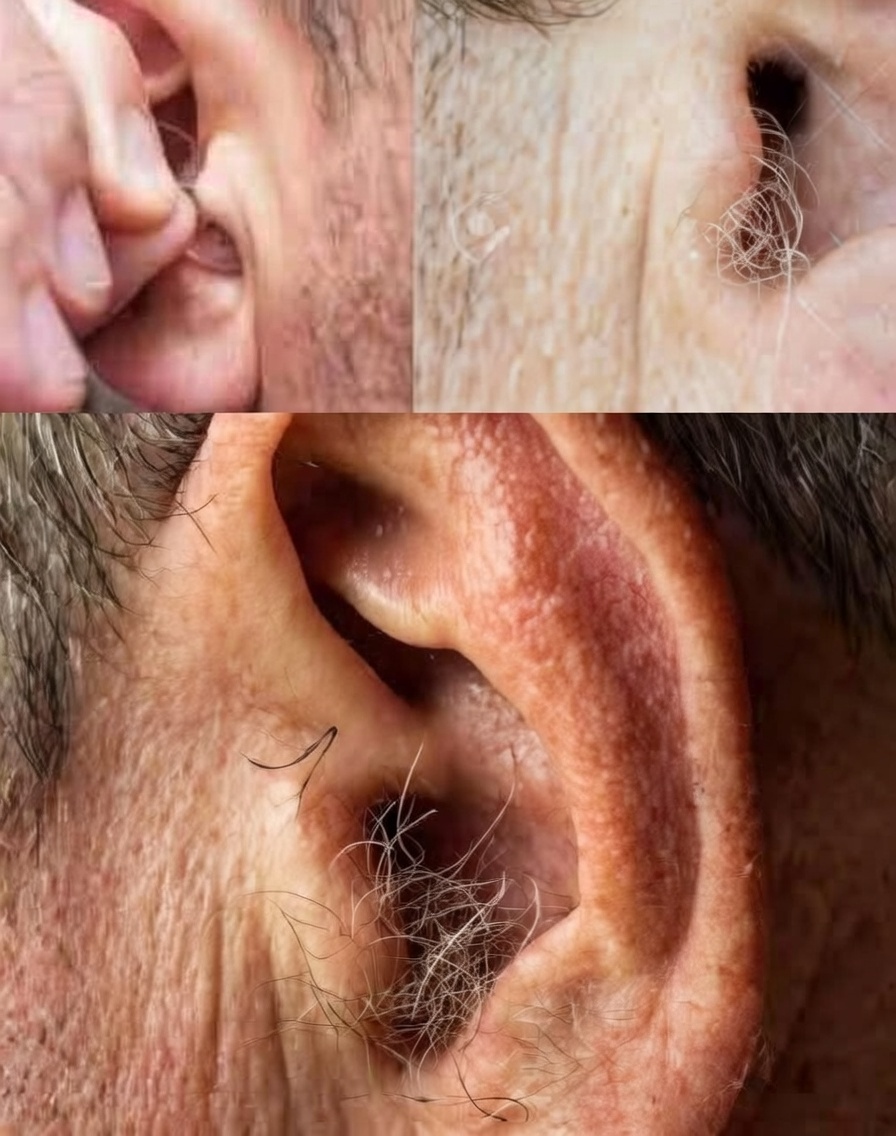
Most people are surprised the first time they notice noticeable hair on or inside their ears. While it may seem unusual, ear hair is actually quite normal. The human body is almost entirely covered in some type of hair, except for the palms of the hands, the soles of the feet, and the lips. Ear hair, like all body hair, serves specific functions, but for some people it becomes more noticeable with age.

If you’ve ever wondered why your ears are hairy or what you can do about it, here’s a comprehensive guide that explains the causes, potential health concerns, and safe removal options.
Why Do Humans Have Ear Hair?
Ear hair exists both on the outer ear (the visible part) and inside the ear canal. Each type of ear hair plays a role:
Protective function: Hair inside the ear canal works together with earwax to block dust, dirt, and debris from reaching the eardrum.
Sensory function: Deep within the ear, tiny hair-like cells help detect movement of fluid in the inner ear. These microscopic hairs are essential for hearing and maintaining balance.
Evolutionary remnants: Like most body hair, ear hair is a leftover evolutionary trait that has diminished in importance but still persists.
Even before birth, humans develop soft, fine hair known as lanugo, which covers the entire body—including the ears. This usually disappears before or shortly after birth, but the hair follicles remain. As we age, these follicles can become active again, making ear hair more noticeable in adulthood.
Why Does Ear Hair Become More Noticeable With Age?
Many people notice increased ear hair growth as they get older. This happens for several reasons:
1. Hormonal changes
In men especially, androgens such as testosterone continue to affect hair follicles later in life. These hormones can stimulate thicker, darker hair growth in areas like the ears, nose, and eyebrows.
2. Genetics
Family history plays a major role. If male relatives in your family have prominent ear hair, there is a higher chance you will experience the same thing.
3. Natural aging process
As the body ages, hair growth cycles change. Hair may thin on the scalp but grow more aggressively in other areas, including the ears.
Is Ear Hair a Health Concern?
In most cases, ear hair is harmless and even beneficial in moderate amounts. However, excessive ear hair can sometimes cause issues such as:
- Trapping earwax more easily
- Increasing the risk of ear canal blockage
- Creating a moist environment that may encourage bacterial growth
- Causing cosmetic concerns or self-consciousness
 Important: Excessive ear hair alone is not a sign of serious illness. Medical evaluation is only necessary if it is accompanied by symptoms like ear pain, hearing loss, ringing in the ears, or unusual discharge.
Should You Remove Ear Hair?
Yes, if it causes discomfort or cosmetic concerns—but removal should be done safely.
Safe options include:
- Trimming with small, rounded-tip scissors (for outer ear hair only)
- Using an electric ear hair trimmer, designed specifically for this area
- Professional grooming services, such as barbers or medical aestheticians
Methods to avoid:
 Plucking ear hair with tweezers
Inserting sharp tools deep into the ear canal
Waxing or using chemical hair removers inside the ear
Final Thoughts
Ear hair is a normal and natural part of the human body. It plays a protective role and reflects our evolutionary history. While increased ear hair can be surprising or inconvenient, it is usually harmless and easily managed with proper care.
If you’d like, I can also rewrite this in a more click-bait news style, medical tone, or short social-media article—just tell me 