
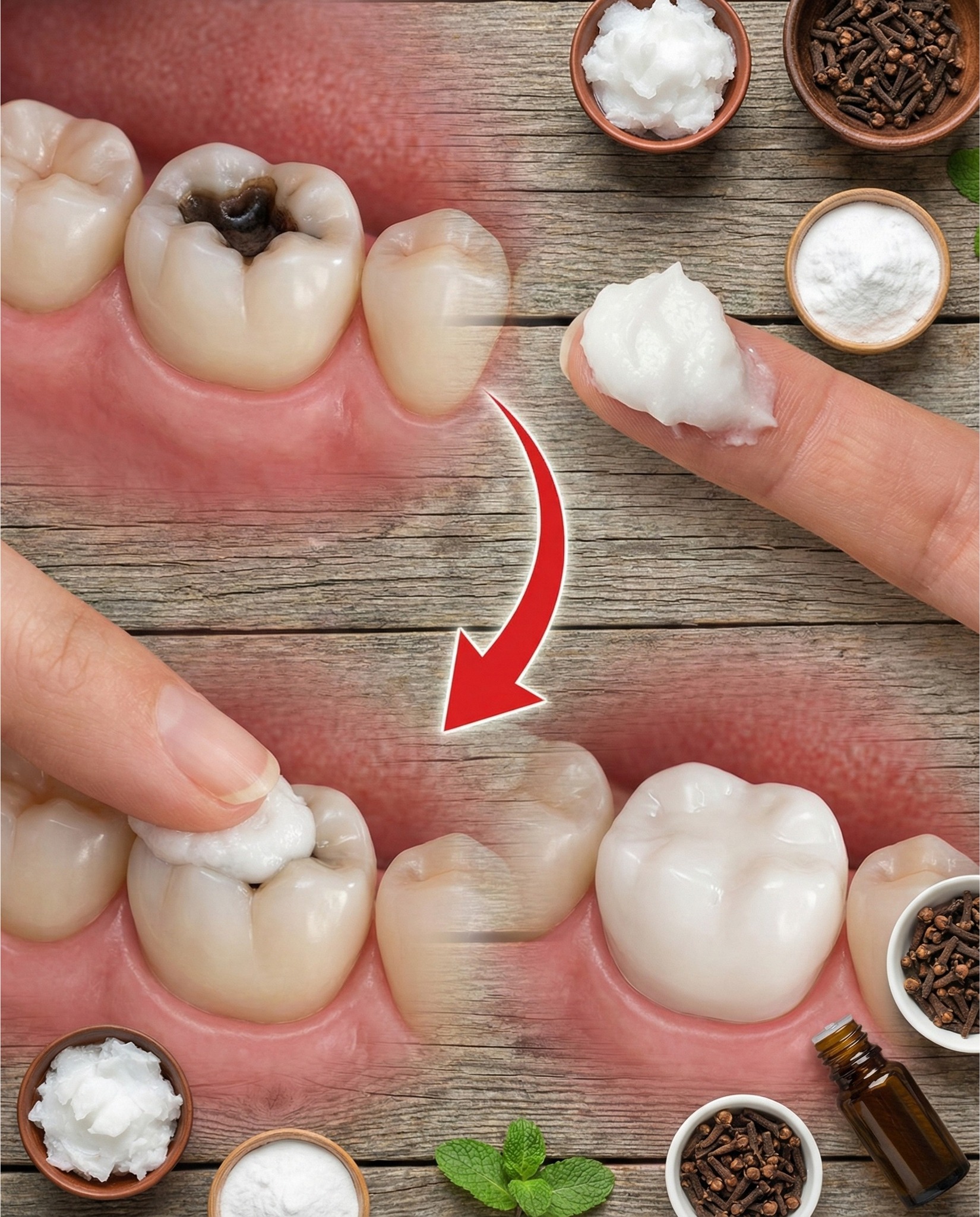
Cavities don’t form overnight. They develop gradually, often without obvious signs, long before pain or sensitivity appears. Tooth decay starts when harmful oral bacteria feed on sugars left behind after eating. As those bacteria break the sugars down, they produce acids that weaken and strip minerals from tooth enamel. Over time, that steady erosion creates small weak spots that can expand into cavities, eventually leading to sensitivity, infection, and expensive dental treatment if the damage progresses unchecked.
Effective cavity prevention rests on three core principles: lowering harmful bacteria, reducing acid in the mouth, and supporting the body’s natural ability to remineralize enamel. Brushing, flossing, and fluoride remain foundational, but both research and long-standing traditional practices suggest that certain natural, home-based strategies can reinforce oral health. When used consistently, these approaches can support healthier teeth and gums while integrating smoothly into a more holistic dental routine.
One of the most frequently discussed natural practices is oil pulling with coconut oil. This traditional method involves swishing oil around the mouth to help bind bacteria and debris that collect along gum lines and tooth surfaces. Coconut oil is often favored because it contains lauric acid, which is associated with antibacterial and anti-inflammatory effects. Research suggests oil pulling may reduce Streptococcus mutans, one of the main bacteria linked to cavities, and in some cases can perform similarly to antiseptic mouthwashes—without the harshness some people experience from chemical rinses. Regular oil pulling may also help reduce plaque, ease gum irritation, and improve persistent bad breath. Swishing one tablespoon of virgin coconut oil for ten to fifteen minutes a few times per week, then brushing afterward, can provide a gentle but meaningful addition to daily oral care.
Salt water rinses are another simple yet highly useful remedy. Salt encourages a more alkaline environment in the mouth, which makes it harder for acid-loving bacteria to thrive, while also soothing irritated gum tissue. This is particularly helpful after sugary foods, acidic drinks, or during periods of gum inflammation. Mixing half a teaspoon of sea salt into warm water and swishing for thirty to sixty seconds can help wash away food residue, support a healthier oral pH, and promote healing of minor mouth irritation. Used once or twice a day, salt water rinsing supports oral balance without aggressively disrupting beneficial bacteria.
Xylitol has built a strong reputation in preventive dentistry as a tooth-friendly sweetener. Unlike sugar, xylitol cannot be effectively metabolized by cavity-causing bacteria. When bacteria attempt to use it, their ability to produce energy is interrupted, which can reduce bacterial levels and lower acid production. Xylitol also stimulates saliva, which is essential for neutralizing acids and delivering minerals back to enamel. Clinical research, including large reviews, has shown that consistent xylitol use can meaningfully reduce cavity risk, especially when used as chewing gum or mints after meals. Choosing products sweetened with one hundred percent xylitol and using them regularly throughout the day can support both short-term protection and long-term enamel health.
Diet is another major factor in enamel strength, especially foods rich in calcium, phosphorus, magnesium, and vitamin D. While tooth enamel is not living tissue, it can repair early, microscopic damage by drawing minerals from saliva. Cheese is particularly helpful because it raises oral pH while supplying calcium and casein proteins that support enamel. Leafy greens like kale and spinach provide plant-based calcium, while nuts and seeds deliver phosphorus and magnesium needed for remineralization. Fatty fish such as salmon and sardines provide vitamin D, improving mineral absorption, and plain yogurt contributes both calcium and probiotics that support gum health. Making these foods a regular part of meals turns everyday eating into an active form of cavity defense.
Green tea offers another natural layer of protection. It contains antioxidants called catechins, which are associated with inhibiting harmful bacteria and reducing inflammation in the mouth. Research indicates that regular green tea exposure can lower Streptococcus mutans, reduce plaque buildup, and support healthier gums. Used as a rinse, cooled unsweetened green tea delivers antimicrobial compounds directly to oral tissues without added sugar and without the harshness of many commercial products. Swishing for thirty to sixty seconds once or twice daily can help reinforce oral defenses where they matter most.
Timing also plays a surprisingly important role in protecting enamel. After eating or drinking acidic foods, enamel temporarily softens. Brushing immediately during this period can contribute to microscopic wear. Waiting thirty to sixty minutes allows saliva to neutralize acids and begin restoring minerals before brushing. During the waiting window, rinsing with water or chewing xylitol gum can speed recovery and help protect tooth surfaces.
Some common oral health “hacks” can actually increase cavity risk. Whitening with lemon juice or vinegar can erode enamel because of their high acidity. Activated charcoal, often promoted for whitening or detox, can be abrasive and damage enamel when used repeatedly. Undiluted hydrogen peroxide rinses may irritate oral tissues and disrupt healthy bacteria. Avoiding fluoride entirely can also be a mistake, since fluoride remains one of the most strongly supported tools for remineralizing enamel when used correctly.
The most effective cavity prevention strategy is consistent and balanced. Reducing frequent snacking gives saliva time to repair enamel between meals. Drinking water throughout the day supports hydration and helps stabilize oral pH. Daily flossing cleans areas that brushing alone cannot reach. Routine dental checkups remain essential—even if nothing hurts—because early decay often develops without visible or noticeable symptoms.
Healthy teeth are not built through extremes or perfection. They are built through steady habits, informed decisions, and respecting the body’s natural protective systems. Natural home approaches are not miracle cures, but when paired with modern dental care, they can meaningfully shift the odds toward stronger enamel, healthier gums, and fewer cavities over time.
Caring for your teeth is an investment in overall health, confidence, and long-term well-being. With consistent attention and simple natural support, a strong, healthy smile becomes less a goal to chase and more a natural result of how you live each day.