
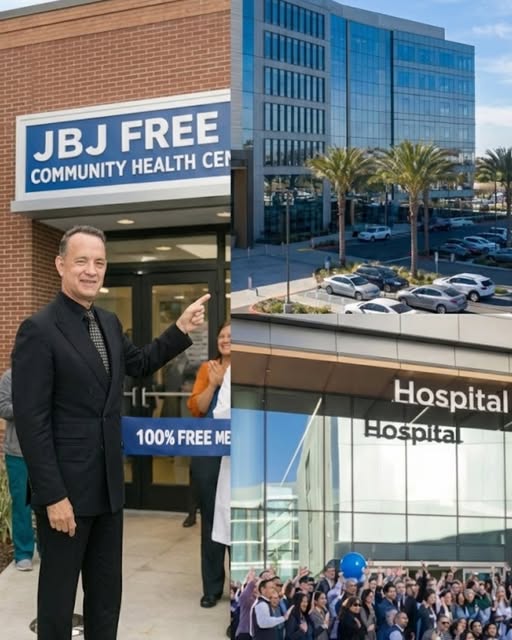
In an era when celebrity philanthropy is often announced with flashing cameras and carefully crafted headlines, Tom Hanks chose a different path. No press release. No ribbon-cutting ceremony. No speeches. Just a quiet morning, a set of keys, and a door opening to something extraordinary.

At sunrise on an otherwise ordinary weekday, Hanks unlocked the front entrance of the Tom Hanks Community Care Center, a first-of-its-kind medical facility offering completely free healthcare to homeless and working-class Americans. There were no reporters waiting outside, no fans gathered for selfies. Only a few nurses, volunteers, and community organizers stood nearby, watching as one of the most recognizable faces in the world stepped aside and let others walk in first.
The center itself is modest in appearance but ambitious in purpose. Inside, it houses primary care clinics, mental health services, addiction recovery programs, dental and vision care, and legal aid counseling. Above the clinic, several floors have been converted into transitional housing units designed to help patients stabilize their lives while receiving medical treatment. Every service, every prescription, every appointment is provided at zero cost.
According to staff members, the project has been quietly in development for nearly seven years. Funded largely through Hanks’ personal donations, along with discreet contributions from longtime friends in the film industry, the center was built without public fundraising campaigns or corporate branding. “Tom was very clear,” said one administrator who requested anonymity. “He didn’t want this to be about him. He wanted it to be about access.”
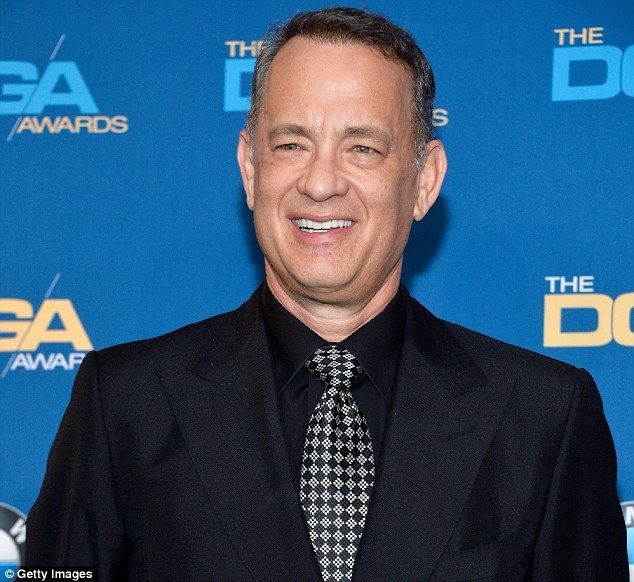
The first patient through the doors that morning was a retired factory worker named Samuel, a 68-year-old man who had not seen a doctor in more than a decade. Years of unstable employment and rising healthcare costs had made routine medical visits impossible. Witnesses say Hanks greeted Samuel personally, took his bag, and walked beside him into the clinic. When Samuel apologized for his worn shoes, Hanks reportedly smiled and said, “You don’t need to apologize for surviving.”
That moment set the tone for the rest of the day.
By midmorning, word had quietly spread through local shelters and community networks. A line began to form outside the building, stretching down the block. But this was not a line of fans hoping for autographs. It was nurses offering to volunteer on their days off, retired doctors asking how they could help, and neighbors bringing coffee, blankets, and food for patients waiting their turn.
Inside, staff members noticed something unusual: an overwhelming sense of calm. “People weren’t rushed or afraid,” said a mental health counselor at the center. “They felt seen. That changes everything.”
Hanks himself remained mostly in the background, moving chairs, pouring coffee, listening more than he spoke. When asked by a volunteer why he chose to do this now, he gave a simple answer: “Stories matter. But what happens after the credits roll matters more.”
Those words resonate deeply with fans who have followed Hanks’ career for decades. Known for portraying everyman heroes — soldiers, astronauts, captains, and fathers — he has long been associated with decency and quiet integrity. Yet those close to him say this project reflects something even more personal.

“Tom has always believed dignity should not be a luxury,” said a longtime friend and collaborator. “He’s seen how easily people fall through the cracks, especially when healthcare becomes a privilege instead of a right.”
Perhaps most striking is what the center does not include. There are no portraits of Hanks on the walls. No bronze plaques bearing his name. Even the building’s exterior signage avoids any mention of celebrity. Near the entrance, a single sentence is etched into the glass: “Care belongs to everyone.”