
The venture lost more than it gained after purchasing Nokia in 2012

Microsoft spent the better part of a decade revolutionising the mobile phone market, only to never release its potential masterpiece invention.
Instead, it scrapped its development department all together, which is a bummer for those like me, who loved their Nokia Lumia phone.
The global tech giant announced in 2015 that it had cut 7,800 jobs and took a loss of a whopping $7.6bn on its mobile phone department.
This comes after the company revealed it had ended 12,500 jobs in 2014 from its Nokia business that Microsoft bought for $7.3bn in 2012.
At the time, chief executive Satya Nadella said Microsoft was going to look back on its strategy, and sadly, it just never came back after its Lumia series ended in 2016.
“We are moving from a strategy to grow a standalone phone business to a strategy to grow and create a vibrant Windows ecosystem including our first-party device family,” said Nadella, per The Guardian. “In the near term, we’ll run a more effective and focused phone portfolio business while retaining capability for long-term reinvention in mobility.”
Microsoft’s former CEO Steve Ballmer had purchased Finland’s Nokia as its Windows Phone system but with the plethora of technology being released by the likes of Apple and Google, it struggled to keep up.
Instead, the company ended up losing more than it spent to obtain the Nokia company.
So, what happened?
In 2008, Microsoft announced it would begin development of its very own Windows phone, and by 2010, it had successfully developed its software, which was then used for the Lumia series.
Within the phone, users could have the same applications as any Windows computer, including Microsoft Word, Excel and Powerpoint, so that they could do their work on the go.
With functions and features similar to a basic laptop with Windows software, the sleek touchscreen phone was pretty popular.
However, it failed to keep up with Apple and Google’s updates and new releases.
Instead, the Lumia series only released nine phones in total and was about to release another when it discontinued its line.
The phones were also plagued with mixed reviews, with people saying the phones were slow, lagged, and froze.
The phone series was discontinued (Photo Illustration by Igor Golovniov/SOPA Images/LightRocket via Getty Images)
Well, at least it’s not as bad as Apple, which spent $1,000,000,000 a year for ten years creating a product that will never release to the public.
While Ballmer wanted to continue the mobile phone development, CEO Satya Nadella took over in 2014 and ultimately saw its dwindling sales figures as a loss.
So, it was scrapped and never picked up again.
Later, the company went on to create the Surface Duo, a dual-touchscreen Android smartphone.
It was announced during an event on 2 October, 2019, and was then officially released on 10 September, 2020, as part of the Microsoft Surface.
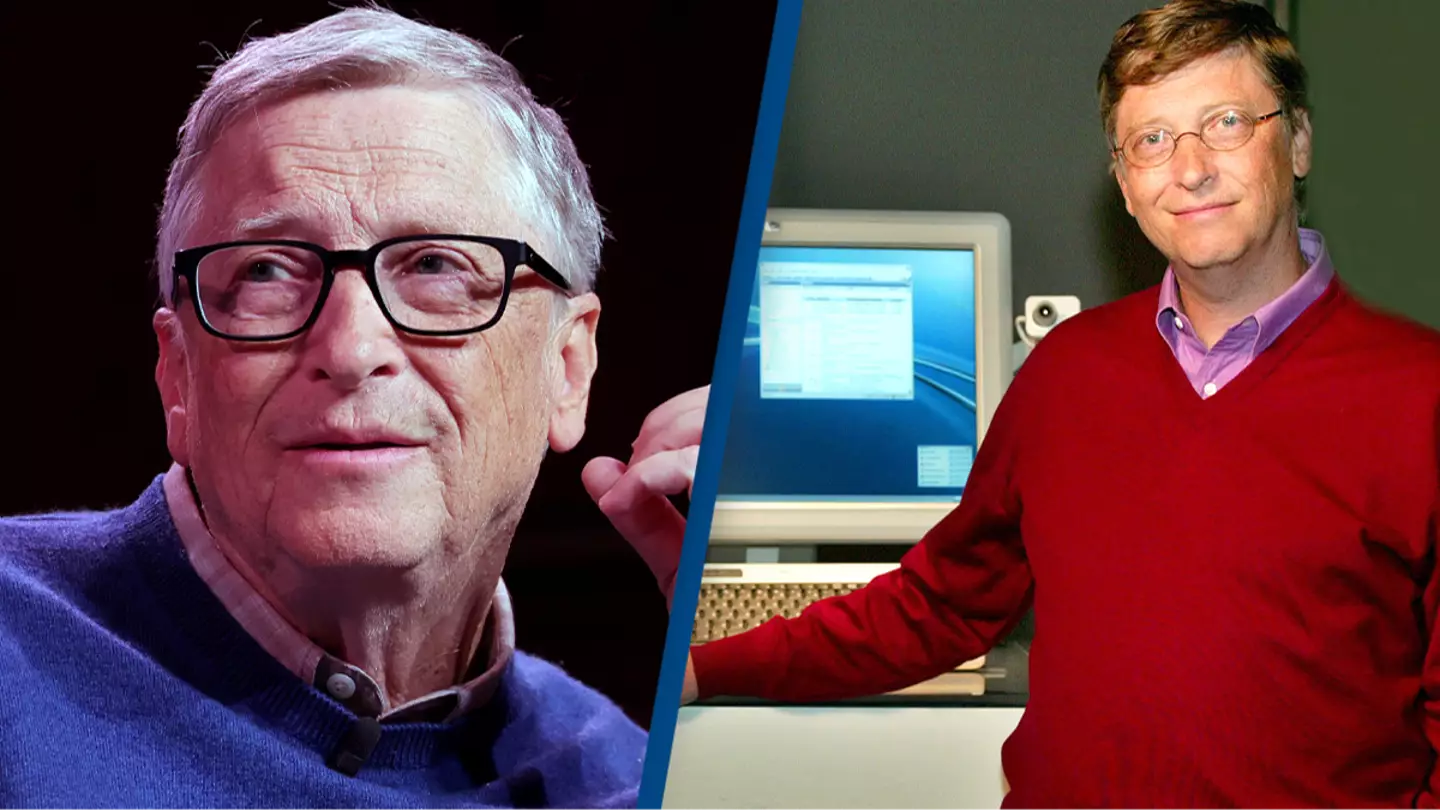
The Microsoft boss has revealed his ‘greatest mistake ever’ ended up costing the company $400,000,000,000.
Bill Gates kick-started the software company we’re all familiar with, Microsoft, with his childhood buddy and fellow Washington native, Paul Allen, in 1975.
In just four short years, the pals saw their revolutionary technology snowball with success, surpassing its first $1 million in sales before hitting public shelves in 1986.
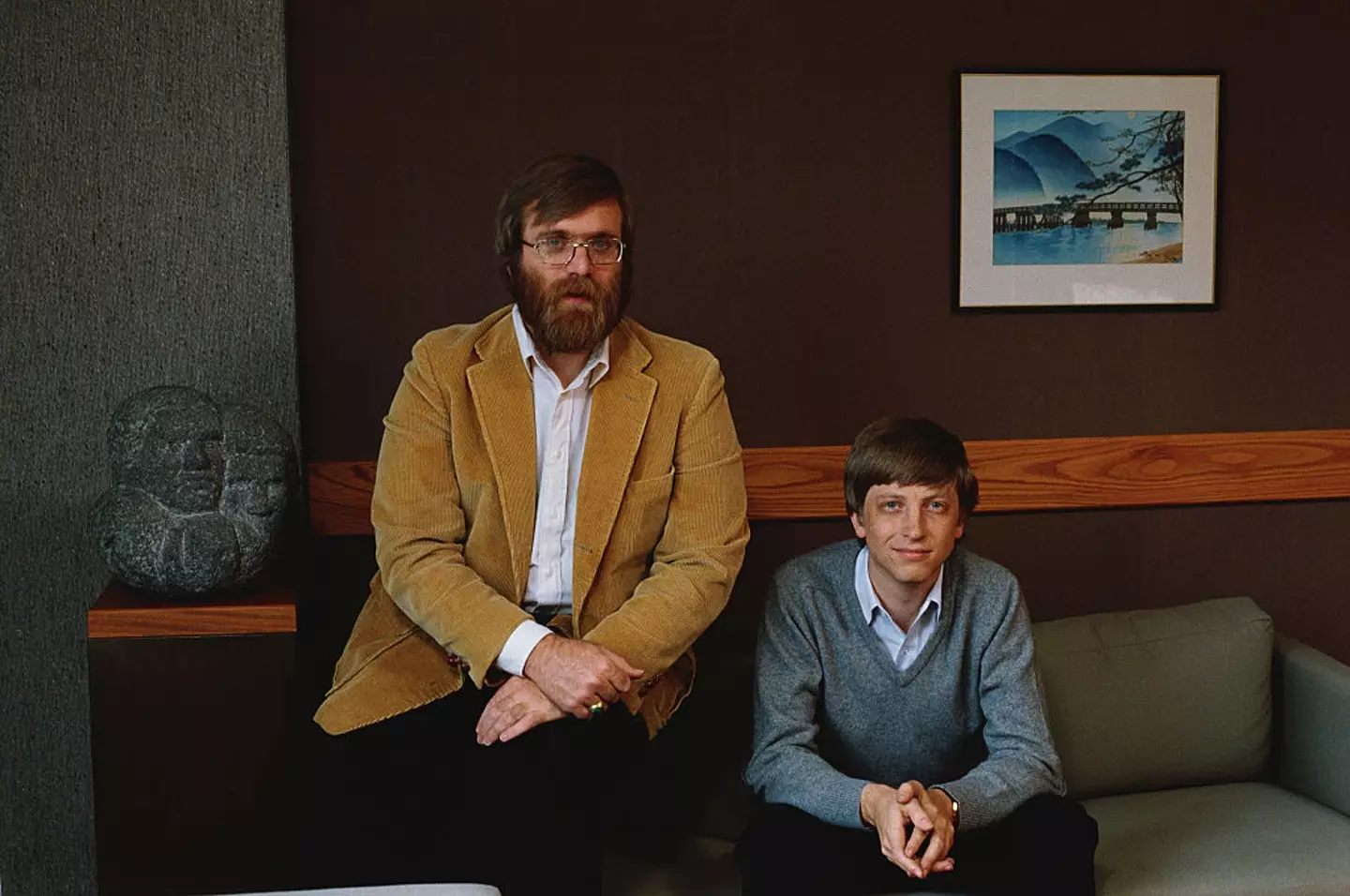
Microsoft co-founders, Gates and Allen, post for a picture in 1984 (Doug Wilson/CORBIS/Corbis via Getty Images)
Today, Microsoft Corporation is worth some three trillion dollars and Gates was considered the world’s richest person for various years – up until 2023 when he dropped to the sixth richest American and seventh richest person around the globe.
Still, according to Forbes he has a net worth of $103.8 billion and enjoys the philanthropic life through his private charity, Bill & Melinda Gates Foundation.
Yet that’s not to say he’s off the clock as the 69-year-old recently sat down with Eventbrite CEO, Julia Hartz, at an event by venture firm Village Global to talk all things business and the secrets to success.
It was here that Gates admitted he made one of the most costly mistakes of his career to the tune of $400 billion – which is an awful lot of zeroes to lose out on.
The businessman said the eye-watering blow all came to a head when tech companies raced to secure the second-best spot in the phone market after Apple, and Microsoft lagged behind.
He explained in the interview: “You know, in the software world, in particular for platforms, these are winner-take-all markets. So, you know, the greatest mistake ever is the whatever mismanagement I engaged in that caused Microsoft not to be what Android is, [meaning] Android is the standard non-Apple phone form platform.
“That was a natural thing for Microsoft to win.”
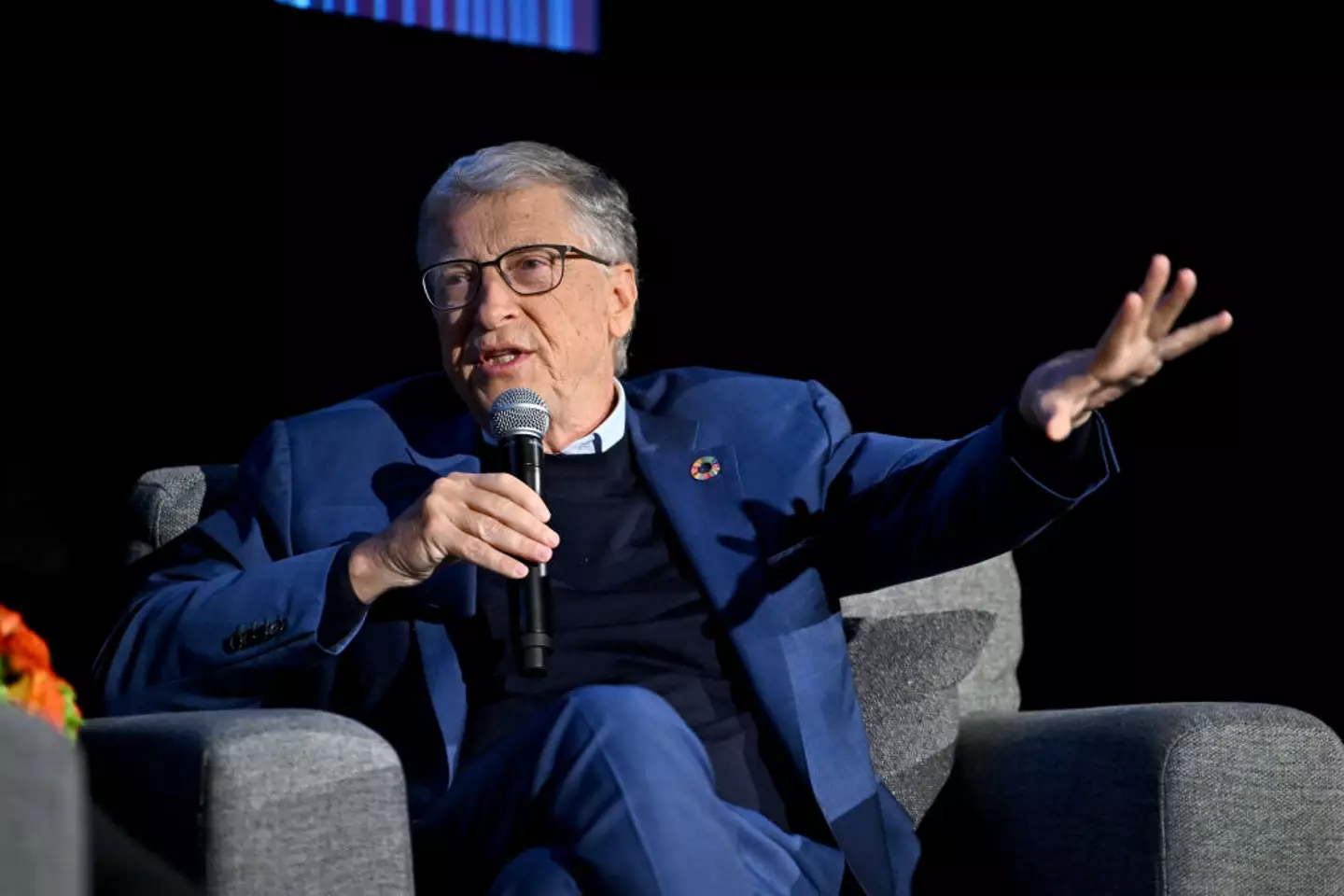
Gates admitted it was a major ‘screw up’ (Roy Rochlin/Getty Images for Netflix)
Gates continued: “It really is winner take all. If you’re there with half as many apps or 90 percent as many apps, you’re on your way to complete doom.
“There’s room for exactly one non-Apple operating system, and what’s that worth? $400 billion that would be transferred from company G [Google] to company M [Microsoft].”
As well as the $400 billion loss, Gates said the screw up was ‘a super important one’ and may just be ‘one of the greatest mistakes of all time’.
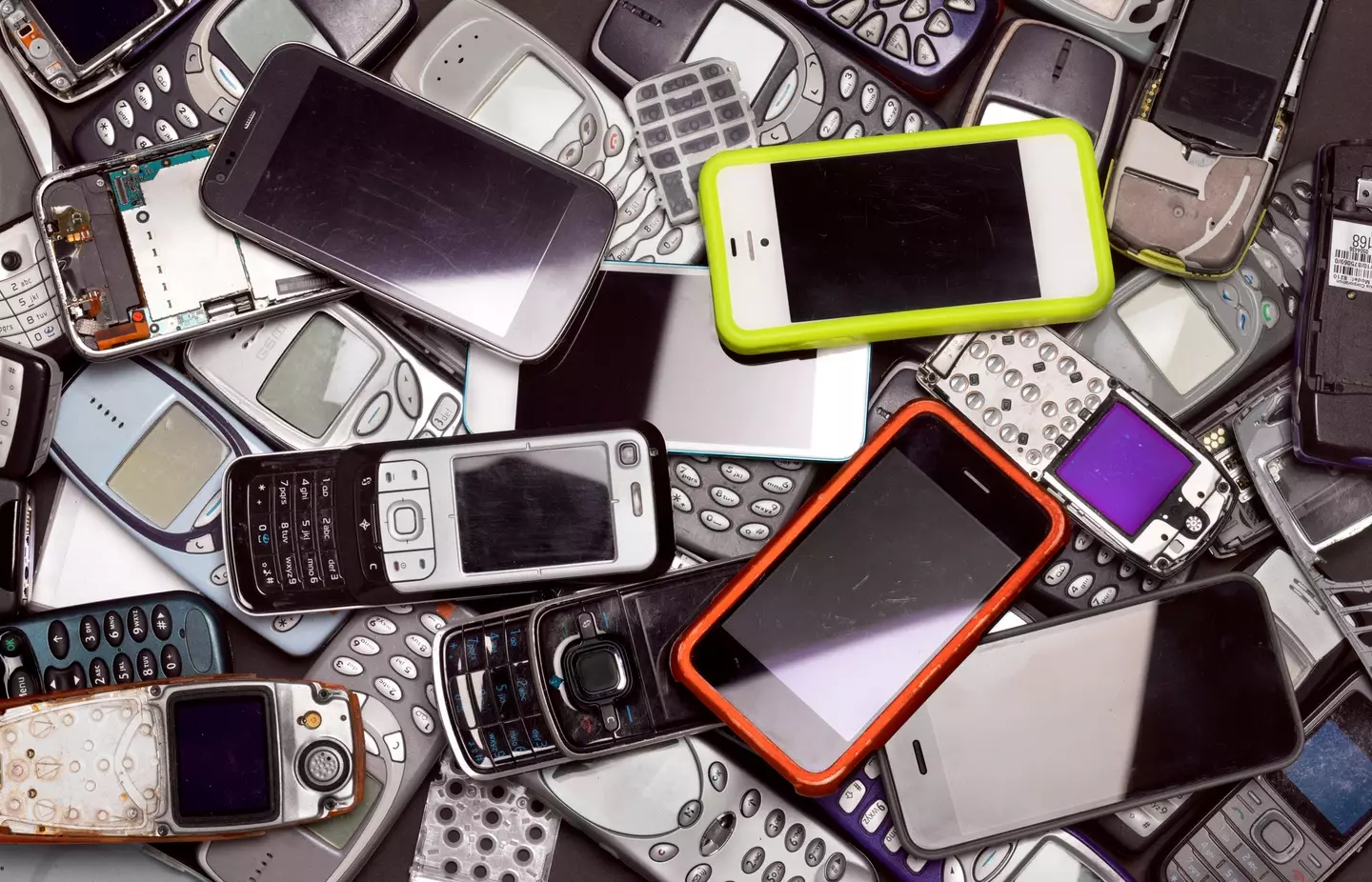
Microsoft lost out in the battle of the phones (Getty Images)
According to Inc.com, Apple’s iPhone came into the public realm in June 2007, shortly followed by Google’s Android-based smartphone a little more than a year later, September 2008.
Meanwhile, the Windows Phone 7 didn’t come out until October 2010, leaving Android and Apple to dominate with 99.9 percent of the market share and blow other competitors out of the water.
While Gates said Microsoft is still ‘a leading company’, if it had landed the mobile spot after Apple, ‘we would be the company’, TechCrunch reports.
Major internet outage shuts down Microsoft and Xbox for thousands
Azure has apparently knocked out many Microsoft services

A major internet outage has just seen Microsoft and Xbox go dark for thousands of users.
According to Tech Radar, Microsoft users are reporting trouble logging into several services, including Minecraft, Outlook emails and Xbox.
The issue appears to be traced to Azure, the company’s cloud computing platform, knocking out Microsoft’s 365 services.
In an update, the tech giant said in a statement that it is working hard to resolve the issue.
“Starting at approximately 16:00 UTC, we began experiencing Azure Front Door issues resulting in a loss of availability of some services,” it said.
“In addition. customers may experience issues accessing the Azure Portal. Customers can attempt to use programmatic methods (PowerShell, CLI, etc.) to access/utilize resources if they are unable to access the portal directly. We have failed the portal away from Azure Front Door (AFD) to attempt to mitigate the portal access issues and are continuing to assess the situation.
“We are actively assessing failover options of internal services from our AFD infrastructure. Our investigation into the contributing factors and additional recovery workstreams continues.”
The company says Azure has gone down (Getty)
The major internet outage has sparked uproar on social media, with dozens reporting issues on the internet and even Starbucks and Amazon customers.
Users say they have been unable to connect to websites and apps, with the outage also having a knock-on effect to other platforms that rely on the networks Azure and AWS for connectivity, including the coffee franchise as well as Costco and Kroger.
A user on X, formerly Twitter, noted: “Azure is down and so is half the internet.”
Meanwhile, others appear to joke about the situation that they can log off for work today.
“I guess work is done for the day,” another wrote, though others said they celebrated too soon what with Microsoft Teams still appearing to be working.
“If you see me wearing my Azure shirt, it means I’m down for whatever,” a third joked.
Microsoft has since claimed to have found the problem, dropping in a new statement: “We suspect that an inadvertent configuration change as the trigger event for this issue. We are taking two concurrent actions where we are blocking all changes to the AFD services and disabling a problematic route that we found to be related to this, and at the same time rolling back to our last known good state.”
It continues: “We have failed the portal away from Azure Front Door (AFD) to mitigate the portal access issues. Customers should be able to access the Azure management portal directly.
“We do not have an ETA for when the rollback will be completed, but we will update this communication within 30 minutes or when we have an update.”
How one decision caused Yahoo to miss out on purchasing a $3,370,000,000 company for just $1,000,000
The search engine has made a series of bad financial mistakes
Search engine Yahoo thought it dodged a bullet when bosses refused to buy a company for $1 million.
Back in the 1990s, the tech race to the top was well and truly on, with Google, Yahoo and others like Ask Jeeves all competing for hits.
By 1998, Larry Page and Sergey Brin, who we now know famously co-founded Google, offered to sell up their then little start-up to AltaVista for a million bucks while studying at Stanford University.
The pair developed Google Alphabet’s core piece of tech, PageRank, which uses links to determine a page’s importance.
Not only did AltaVista refuse the deal, but Yahoo similarly rejected it, hoping for users to turn to its own platform for their needs.
Yahoo made some pretty dire financial decisions (Getty Stock Image/jetcityimage)
It was clearly a major mistake and Yahoo went crawling back years later in 2002 with its then CEO Terry Semel launching an offer to buy it for around $3 billion.
After several months of negotiations, Google snapped back that it wanted $5 billion, and Semel backed out.
Now, Alphabet Inc., the listed US holding company of the former Google LLC where it exists as a subsidiary, is considered one of the wealthiest companies in the world.
As of November this year, it boasts a market capitalization worth trillions, £2.653 T (roughly $3.4 trillion), according to Companies Market Cap.
If that’s not painful enough, in 2008, Yahoo also refused to be bought out by Microsoft for $44.6 billion.
Microsoft also gave a pretty generous offer (Getty Stock Image/tupungato)
The price was certainly generous at the time, offering a premium of 62 percent above Yahoo’s closing price the day before Microsoft hard launched its offer, reports Yahoo Finance.
Microsoft had hoped to merge a Microsoft-Yahoo company, inspiring domination across the online advertising market and to create a more efficient company and, crucially, to spark a credible rival to Google.
Yahoo, however, clearly didn’t see the vision at the time as the board said after some ‘careful evaluation’ it thought Microsoft’s bid ‘substantially undervalues’ its brand, online presence and growth forecasts.
In a statement, the directors did hint that they could possibly be open to another offer, but Microsoft doubled-down, stating its initial $40 billion proposal was ‘full and fair’ while slamming Yahoo’s decision as ‘unfortunate’.
The offers virtually dried up for Yahoo then, up until 2016, when the brand eventually caved and sold up to Verizon.
Verizon eventually took over (Getty Stock Image/JHVEPhoto)
To add insult to injury, Yahoo only sold for $4.6 billion, a drop in the ocean (and a significant shortage of zeroes) to what Microsoft had offered.
The sale presented a rather sad story for Yahoo, which once served as one of the internet’s first global giants amid the dotcom era to rock bottom in just a handful of years.
In 2021, Verizon then sold its media assets, including Yahoo and AOL, to Apollo Global Management for $5 billion.
Yet rather than close the chapter forever in Yahoo’s book, the new company that took over paid homage to its historical name, now fondly going by the friendly name we all know, Yahoo!
As of August this year, there have also been rumors that the company is one of three, alongside Perplexity and OpenAI, that could buy the Google Chrome web browser.
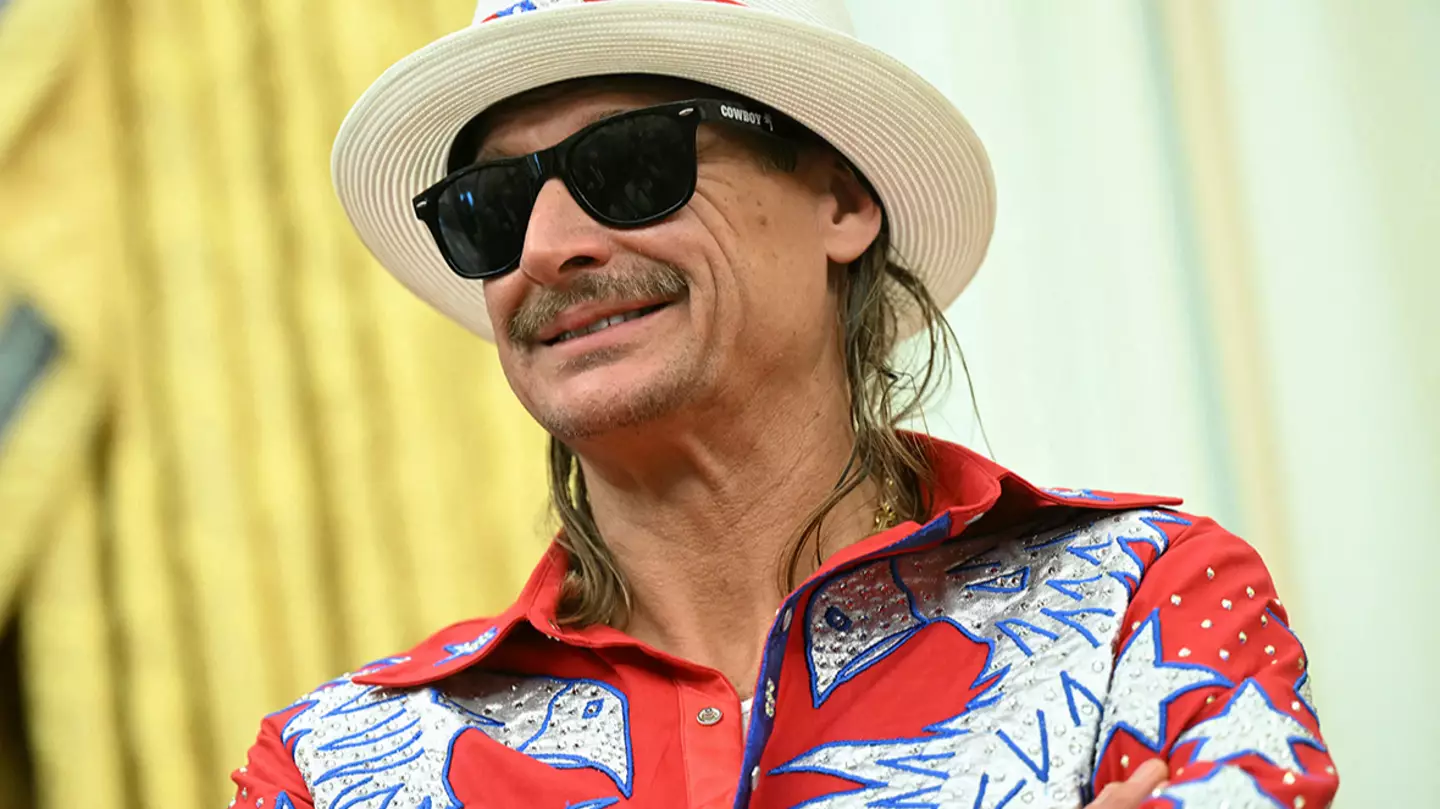
Kid Rock spent 20 years building his own ‘mini White House’ that includes a golden urinal and gas station
Even for Kid Rock, the home seems to be a bit much

Kid Rock has been hard at work on a major home project that really attempts to show his patriotic feelings towards the United States.
Imitation is considered the sincerest form of flattery and if nothing else, Kid Rock is making it clear he loves one of the most iconic buildings in America.
Rather than live in a traditional mansion like many in the music industry, Rock has spent the last 20 years building himself a mini White House.
And he doesn’t seem to have skimped out on the features as it has its own gas station, a barber shop, a church and a rather interesting bathroom design.
The replica 27,000-square-foot building is perched high atop the hills in Nashville, Tennessee, so you can only imagine the breathtaking views.
Back in 2022, Rock even showed then-Fox News host Tucker Carlson around the home.

The home has quite a lot of perks according to Rock (Fox News)
Speaking about when he decided to buy the land, he said: “When I walked up to get this property we got our truck stuck, tics all over us, my dude just said ‘let’s get out of here’ and it said views so I told him to just put on your big boy pants.
“We get to here and I’m like ‘write him a check.’”
Rock even showed Carlson to his gold bathroom… yep, a gold bathroom and the star even remarked how hard it was to find gold toilets.
Carlson couldn’t seem to wrap around his head around the design of the room and the fact it included not only a gold toilet, but a gold urinal.
Carlson wasn’t the only person who has been impressed by the home with NFL star Derek Wolfe saying he once visited. He simply said it was ‘the wildest s*** you’ve ever seen’.
The mini White House shot to people’s attention this week as Rock again visited the real White House and was photographed alongside President Donald Trump.
Rock was sporting a rather loud outfit that featured white stars on each sleeve and a central blue stripe.
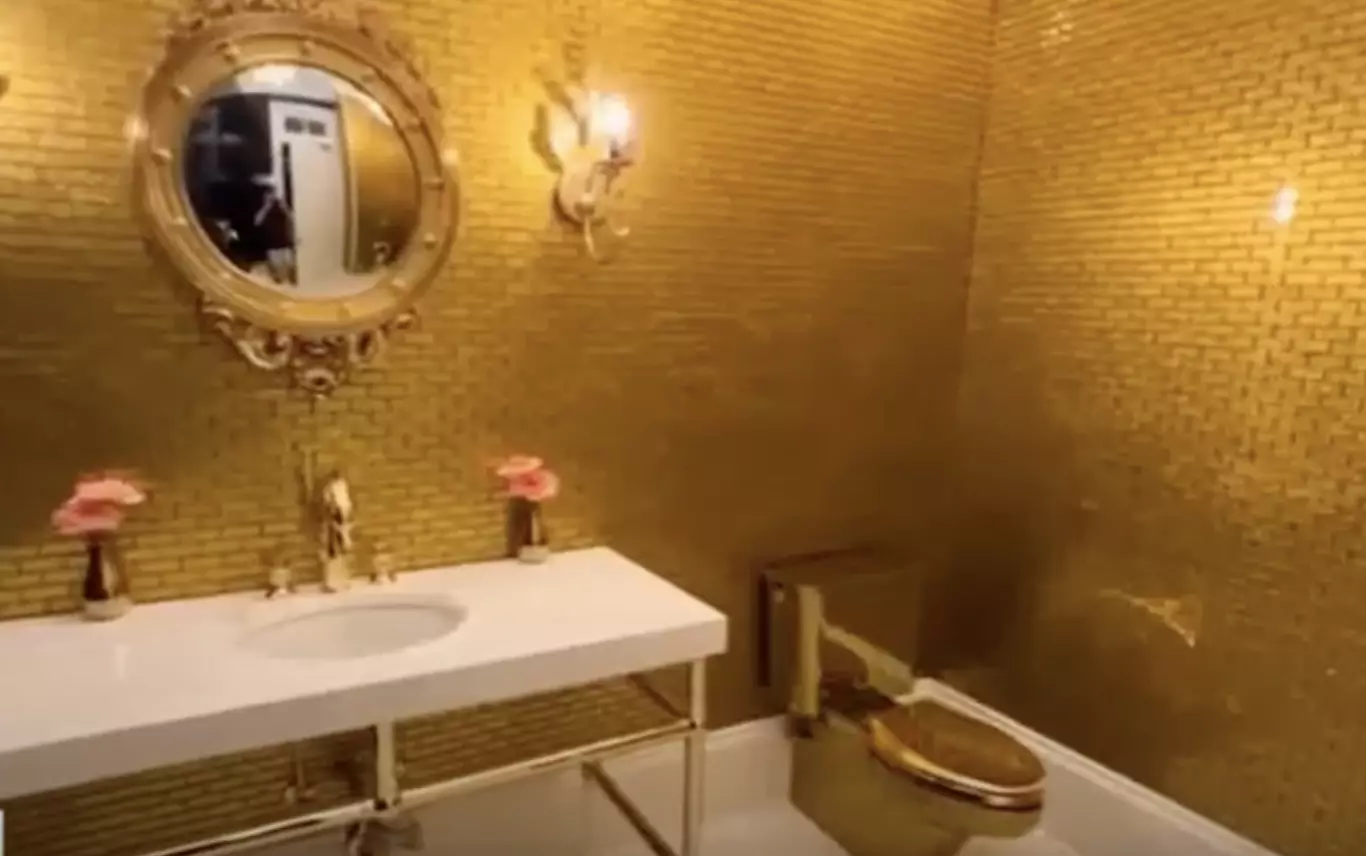
Tucker Carlson called the golden bathroom incredible (Fox News)
The look was covered in tiny gems and diamantes, with an American flag across the front and a matching white hat with a stars-and-stripes band.
Trump even joked that he would very much consider wearing the outfit.
When asked by reporters, he said: “I was thinking about doing it for tomorrow. We have a big event coming up, and I was thinking about doing it, but I’m not sure.”