


In what has now become a deeply emotional piece of music history, Bob Weir’s final interview offers fans a poignant look into the origins of his life in music—spoken with warmth, humor, and curiosity, never once hinting that it would be among his last public reflections. At the time, Weir was simply telling stories. Today, those stories feel like a farewell letter to generations of fans.
Weir begins by tracing everything back to a single, almost mythical night: New Year’s Eve, 1963, drifting into 1964. At just 16 years old, he was wandering the back streets of Palo Alto with friends when they heard banjo music spilling out behind a local music store. That sound would quietly redirect the course of American music history.
Behind that door stood Jerry Garcia, then known locally as a banjo and guitar teacher. With the bold confidence of youth, Weir and his friends invited themselves in. Garcia asked if they played instruments. They said yes. Moments later, Garcia unlocked the shop, handed out instruments, and the jam began. That night was so electric, so joyful, that none of them could walk away from it. Instead, they formed a jug band—Mother McCree’s Uptown Jug Champions—a name as playful and improvised as the music itself.
Weir recalled those early days as the “folk scare” era, when jug band music echoed through America’s river towns, from New Orleans up the Mississippi to Cincinnati. It was street music, bluesy and raw, stripped of showmanship and built on feel rather than polish. In Weir’s telling, it was the same musical bloodline that would later evolve into funk, rock, and the hybrid styles the Grateful Dead would become famous for. Same rhythms. Same scales. Just electrified.
For a teenager, Weir was already making surprisingly good money performing, and that success created tension at home. His parents envisioned Stanford University; Weir envisioned guitars and songs. Growing up under the shadow of Hoover Tower, he felt the expectations clearly—but he also felt something stronger. As he put it, he was “following his bliss,” and nothing his family did could truly shift his course.
By the time the jug band era began to fade, the world itself was changing. The Beatles had hit American airwaves, and suddenly electric instruments weren’t just appealing—they were irresistible. Weir took over Garcia’s beginner and intermediate guitar students at the music store while the band began eyeing amplifiers, drum kits, and the future. They weren’t trying to copy the Beatles, Weir explained, but they saw something important: great musicians who were clearly having fun. That was permission enough.
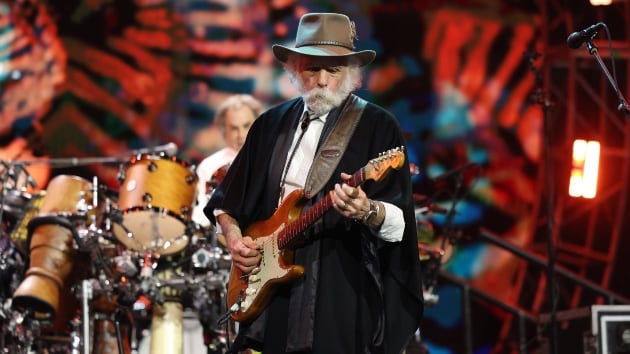
From that spark emerged Grateful Dead, initially known as the Warlocks. The band rejected fashion-driven trends and focused almost obsessively on music itself. They absorbed everything—country, blues, jazz, R&B, classical—drawing from the rich and chaotic radio landscape of the Bay Area. Country music, in particular, shaped Weir and Garcia, eventually weaving its way into the Dead’s sound in ways that surprised and delighted rock audiences.
Though the Grateful Dead recorded several acclaimed albums, Weir was candid about their limitations in the studio. Machines didn’t give energy back. Audiences did. What the band truly excelled at was stating a musical idea and then “taking it for a walk in the woods” before a live crowd. That exchange of energy—fans listening, reacting, and pushing the band further—became the Dead’s defining trait and the foundation of the Deadhead culture.
Now, that culture is mourning.
Bob Weir passed away at age 78, his family confirming the news through official social media channels. In a statement, they shared that he died peacefully, surrounded by loved ones, after a long battle with illness. Though Weir had previously beaten cancer, underlying lung complications ultimately took their toll. It was a reminder that even resilience has limits.
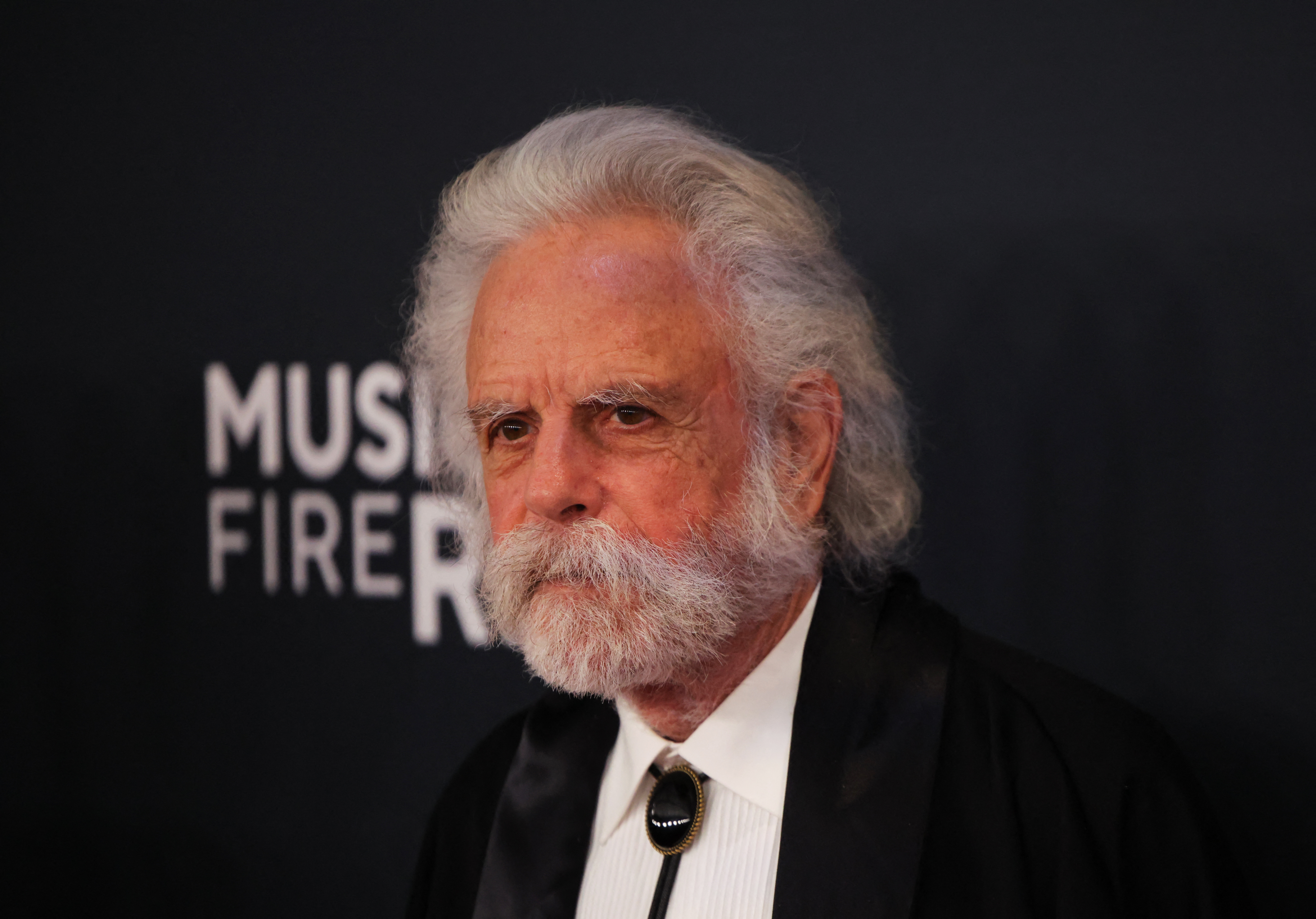
Weir wasn’t just a founding member of the Grateful Dead—he was its rhythmic backbone. His unconventional guitar style reshaped how rhythm guitar could function, and his songwriting helped define the band’s emotional range. Songs like Sugar Magnolia, One More Saturday Night, and Mexicali Blues remain staples of the Dead’s catalog and live performances.
After Garcia’s death in 1995, Weir refused to let the music fade. He carried the spirit forward through projects like RatDog, Furthur, and Dead & Company, performing alongside musicians both old and new, including John Mayer. His final performances—held at Golden Gate Park following a July 2025 cancer diagnosis—were not framed as goodbyes by his family, but as gifts.
Today, tributes flood social media. Fans share stories of first concerts, lifelong friendships formed on tour, and moments when a single song changed their lives. The consensus is clear: Bob Weir gave the world more than music. He gave it community.
Bob Weir may be gone, but the sound he helped create—and the culture he helped shape—will resonate far beyond generations. His final interview, once just a reflection on beginnings, now stands as a quiet, powerful reminder that legends often don’t know when they’re telling their last story